Inventory & Fleet
Keep inventory, trucks, and warehouse stock in one operating view.
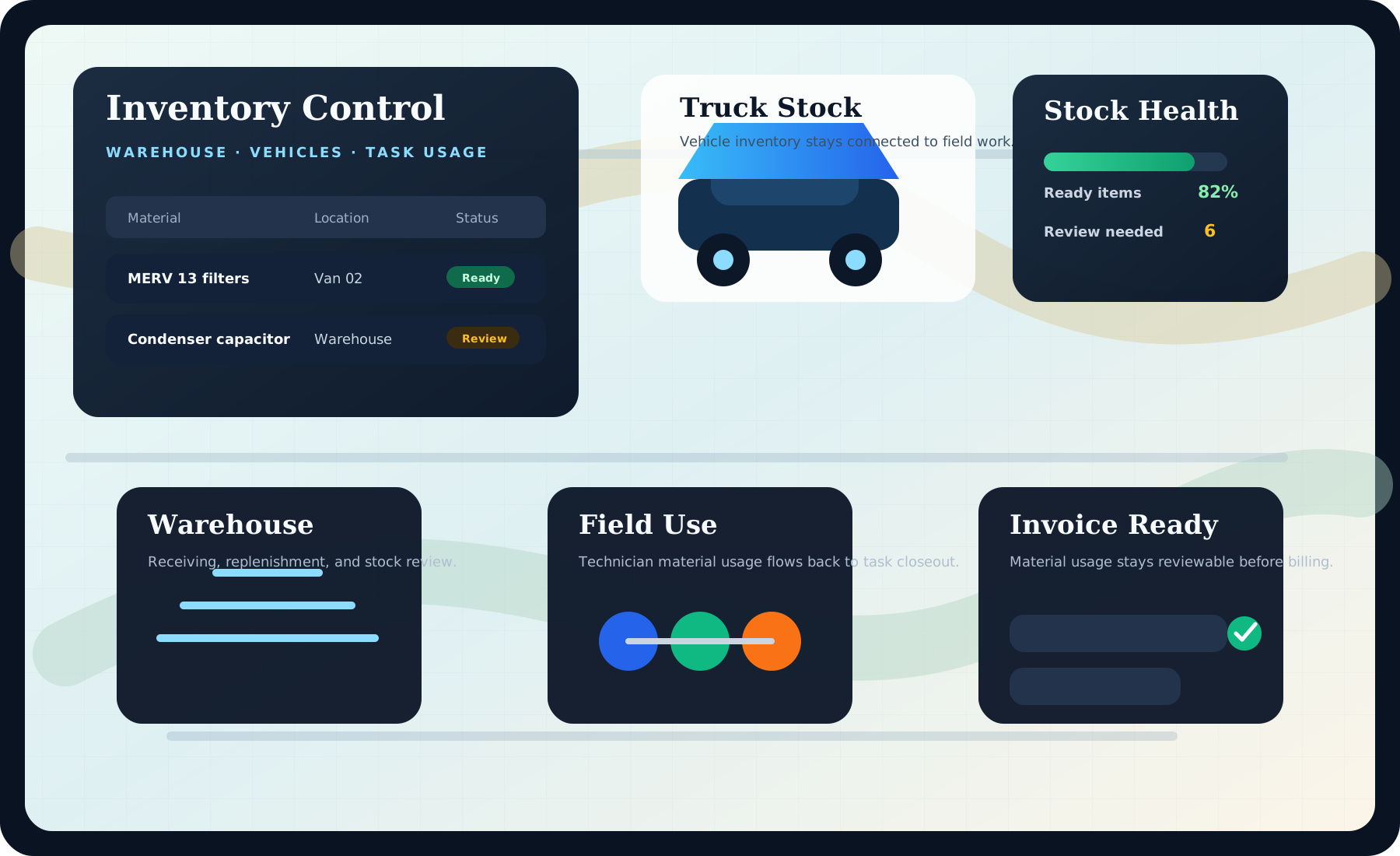
SynapticLYnk keeps materials, stocked items, warehouse context, and contractor fleet visibility attached to the same operating workflows used for backlog, dispatch, execution, and invoicing.
For field service teams, inventory is not only a shelf count. It includes truck stock, warehouse replenishment, service-vehicle context, and the material records that support task closeout and invoice preparation.
Capabilities
Built around real field-service decisions.
Each product area explains what a contractor team can do, what stays reviewed, and how work moves through the system.
Materials and stocked items
Contractor teams can keep parts, filters, truck stock, and warehouse items attached to the same workflow used for review, execution, and closeout.
Truck and service-vehicle context
Fleet data belongs in the operating record too. Trucks, service vehicles, and field inventory can stay visible alongside technician workflows and dispatch decisions.
Warehouse and contractor records
Warehouse visibility, contractor identity, and company-profile data stay connected so the operating team can see the actual business context around the inventory.
Task and invoice continuity
When inventory, routing, and task execution stay connected, material usage and invoice preparation become easier to track without reconstructing the work later.
Inventory In Context
Line up the stock record with the field workflow.
Inventory should not feel like a separate back-office table. The page now shows the full operating path: warehouse stock, truck stock, field usage, and invoice review.
Warehouse visibility
Keep stocked materials, review queues, and replenishment context organized before the field team needs the part.
Truck stock
Vehicle inventory belongs beside dispatch and technician execution so teams can see what is available before assignment.
Field material use
Technician material usage can stay connected to the task record instead of becoming a separate reconciliation step.

Invoice continuity
Inventory, task closeout, and invoice preparation line up so material charges remain reviewable before billing.
FAQ
Inventory and fleet FAQ
These answers explain how SynapticLYnk treats materials, warehouse records, trucks, and service vehicles as part of real field-service operations.
What does inventory and fleet management include in SynapticLYnk?
It includes stocked material visibility, warehouse context, contractor fleet records, and truck or service-vehicle context that stays connected to operating workflows.
Why should inventory and fleet live inside the same platform?
Because parts, vehicles, warehouses, and task execution affect each other. Keeping them in one operating system reduces broken context between dispatch, field work, and invoice preparation.
Is this only shelf inventory?
No. The operating model also covers truck and service-vehicle context, so field teams can connect materials and fleet visibility to real work instead of treating them as separate records.